- Insight Bites
- Posts
- Insight Bites Week 8 | 10/10/23
Insight Bites Week 8 | 10/10/23

Edwin Dong
October 10, 2023
IN THIS ISSUE
7 min read
If you want to achieve your goals, or maybe something greater and more ambitious, you must understand that your daily routine is very important. You need a meaningful system that could help you make progress. We’re going to discuss these in today’s newsletter:
🌑 The “Dark Side” of Productivity
🧠 Second Brain
📃 Manage Your Priorities

THE DARK SIDE OF PRODUCTIVITY
Productivity is a double edged sword. On one hand, it’s what we should be optimizing. On the other, well, the dark side of productivity is when we fall into the trap of trying to create the perfect system. We become fixated on tinkering with different apps, scheduling techniques, and goal-setting strategies. In that trap, we spend more time working on the system than actually working.
Working on the productivity system often makes us feel productive, even though we're not actually making meaningful progress. In effect, all you've really done is add more unrelated but easily accomplishable tasks to your day. But the goal isn't to be busy; it's to be effective. And if you want to be effective, the most important concept you must master is that of leverage.
Leverage
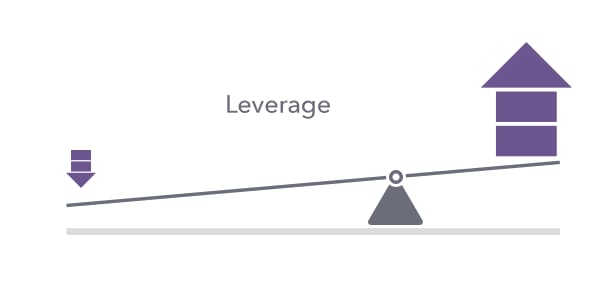
Simply put, leverage means getting more output per unit of input. In other words, doing less and getting more.
For instance, a low leverage activity → working as a landscaper and getting paid hourly.
It does not matter how much work you get done or how good that work was; you’re paid the same hourly rate.
A high-leverage activity → writing a book.
You put in work initially, then the book can generate revenue automatically; the book can make you money while you sleep.
With that in mind, the perfect productivity system is one that's going to increase both the quantity and quality of the work we're performing. The goal, therefore, is to get more high-leverage tasks done in less time.
SECOND BRAIN
The first part of a good productivity system is creating a second brain. Imagine this: You have so many ideas and thoughts swirling around in your head everyday; you start forgetting them and you can’t concentrate because you’re trying to remember them. In this case, It's hard to organize your ideas in any kind of meaningful way to make progress towards a goal.
At its most basic, a second brain is just a complete mind dump of all the things swirling through your head. I personally use technology, but you could use a notebook; it really doesn't matter.
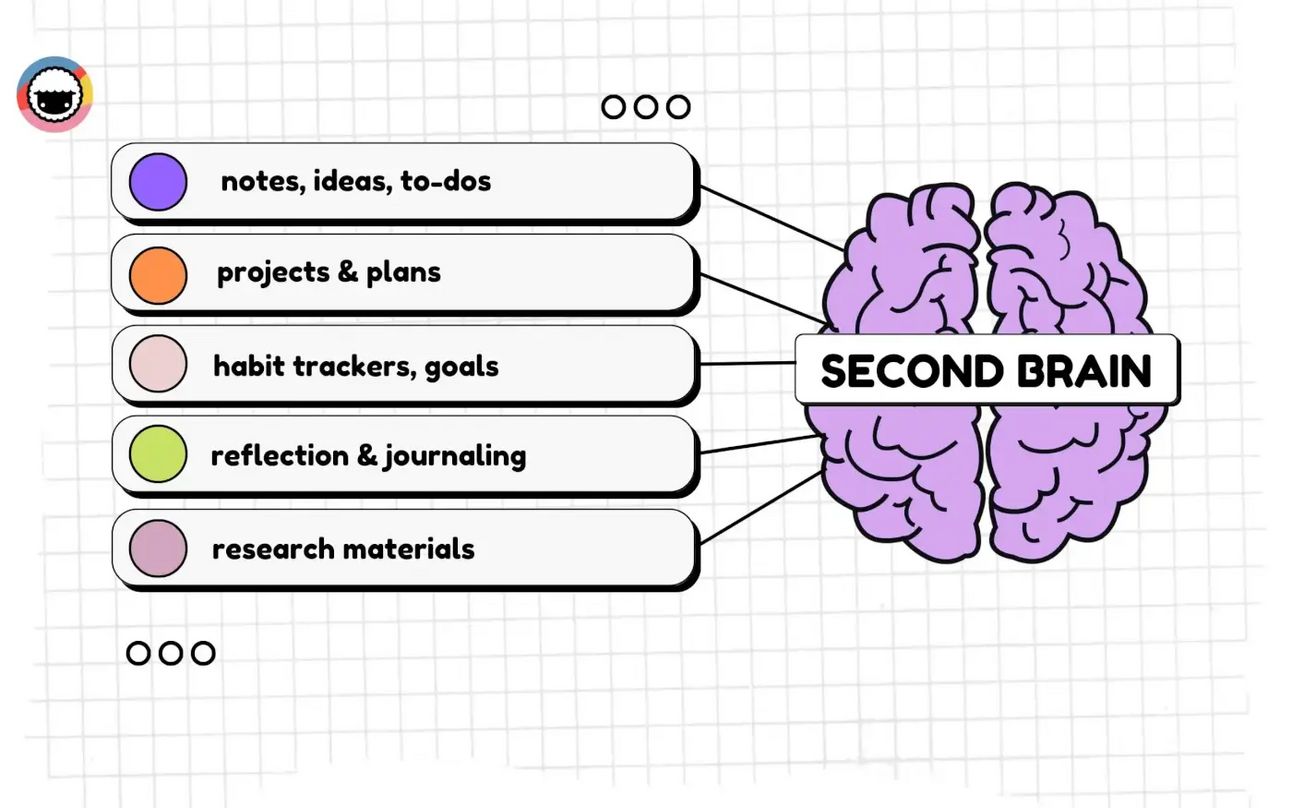
Here's how it works for me: Every time I have a unique thought or idea that's even remotely compelling or something I want to dive into later, I write it down. Getting the ideas out of my head and saving them somewhere else frees up the mental bandwidth I was otherwise just wasting trying to hold onto that thought.
What's really interesting here from a neurological level is that we're closing cognitive loops. Whenever you have a thought or something you're trying to remember, it's like opening another application or a tab on your computer. If you add them up over the course of weeks, a month, a year, then suddenly your system shuts down from overflow of loops.
MANAGE YOUR PRIORITIES
The next phase for a good productivity system is priority management.
Successful people don't waste time doing stupid things. Truth is, most people spend all their time doing things that just don't matter. And as Peter Drucker said,
There's no greater waste than doing with excellence that which shouldn't be done at all.
Now, here's the thing: Successful people like Elon Musk have just as much time in the day as the rest of us, and yet they seem to get so much more done. Elon is simultaneously taking us to Mars, changing how we drive, and boring tunnels under LA. The question is, how does he manage to get so much done? Well, he does it by focusing on the very few things that actually matter. That is, he's built a skill of managing his priorities.
If you want to be a millionaire, successful, or just more productive, you should do the same. You might be familiar with the 80/20 rule, which says that only 20% of what you do accounts for 80% of your results. The key is to focus your time and your energy on executing that 20% with excellence.
How do we do that?
ICE Framework
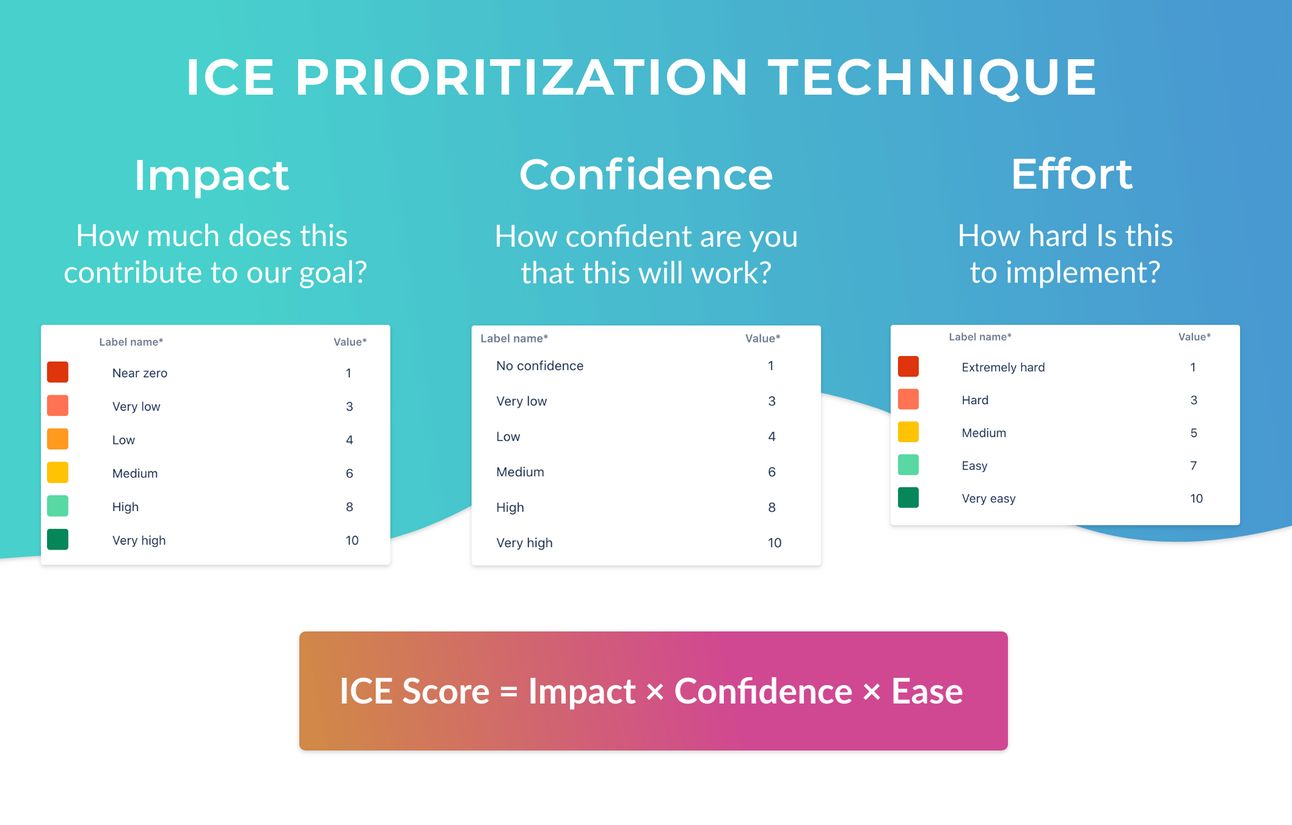
Here's the framework: it's called ICE. To begin with, we create three columns in a notebook and label them Impact, Confidence, and Ease. On the left side, we're going to list out all the tasks that we've accumulated inside our second brain. We're going to rank order these tasks on a scale of 1 to 10 for each of the three categories.
The first category is Impact, and the question you have to ask here is: on a scale of 1 to 10, if I were to complete this task, how impactful would it be?
Next is Confidence, which is just how confident are you in your ability to actually execute the thing. This is important because confidence influences your belief in whether or not a thing is even possible or if it's going to be easy or difficult, which largely influences your ability to actually do that thing.
Enjoying Insight Bites? The first 100,000 people that click this link can share it with a friend free of charge. (Don't like Insight Bites? Afflict it on an enemy! We'll appreciate you either way.)
Last, we rank our tasks for Ease, which is just how easy it would be to do this thing.
If a task scores over 25 points, that is a very high priority. I tag this in my second brain as "critical." If a task scores between 17 and 25 points, I tag that as "moderately important." Anything below 17 is just a low priority.
This system is not perfect. You're going to have to apply your own personal judgment in deciding what you should actually work on at any given moment, but this is a helpful starting point.
KEY TAKEAWAYS
To be effective, increase both the quantity and quality of the work we're performing
Create a Second Brain to organize your thoughts
Focus your time and your energy on doing the things that are impactful; manage your priorities
(P.S. Check back next week for more productivity tips.)